Source simple metal raised bed for Home, Garden, and Hotel
Compare 30 listings of simple metal raised bed options from verified suppliers. Buyers can evaluate materials like galvanized steel, custom sizes, and finishing types for home, garden, and hotel applications; compare the available evidence and request quotations based on your requirements.
Key considerations
Products List
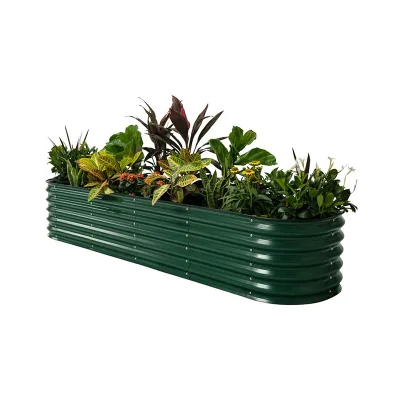
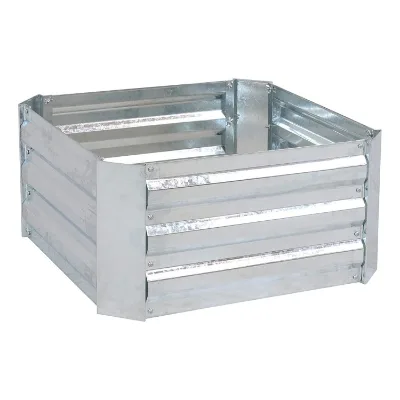
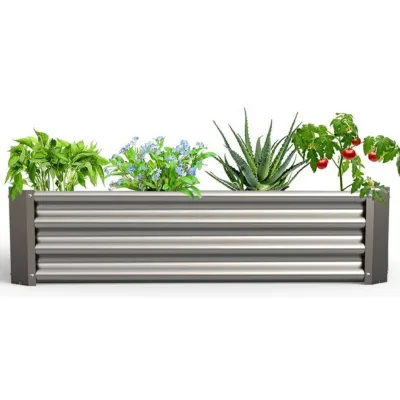
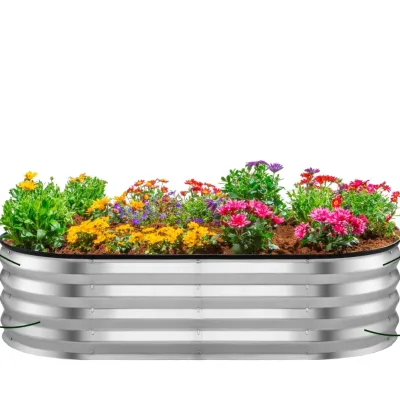




Comprehensive Sourcing Guide
Simple Metal Raised Bed Sourcing Guide
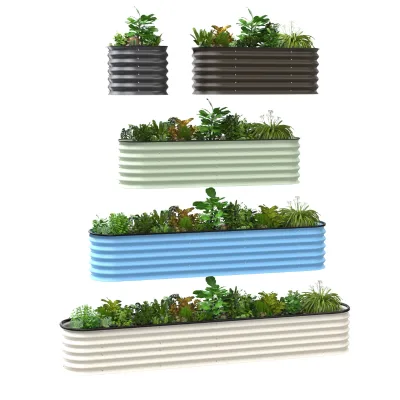
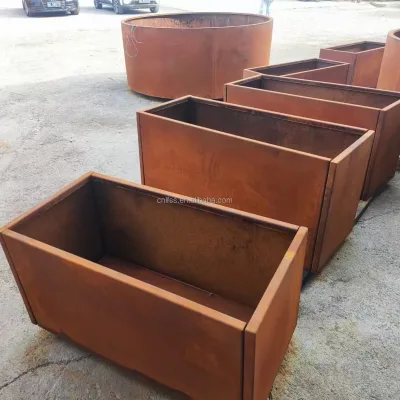
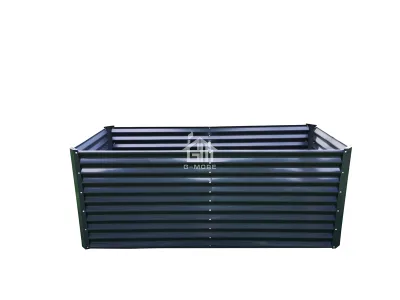
Procuring simple metal raised beds requires a clear understanding of material integrity and structural durability, as these factors directly influence the longevity of your garden infrastructure. Buyers must prioritize galvanized steel options to ensure resistance against rust and environmental degradation, particularly for outdoor applications where exposure to moisture is constant. The observed market data indicates a wide range of finishes, from fully galvanized surfaces to those that are not coated or even chrome-plated, necessitating careful verification of the surface treatment process before placing bulk orders.
Beyond material selection, the design flexibility offered by suppliers allows for customization in size, pattern, and style, catering to diverse aesthetic and functional needs. Whether for home gardens, commercial nurseries, or hotel landscapes, the ability to tailor dimensions such as length and width ensures that the raised beds fit specific spatial constraints. However, this customization potential also introduces variability in manufacturing quality, making it essential for buyers to establish strict technical specifications and quality benchmarks during the sourcing phase to maintain consistency across large procurement volumes.
Product Scope and Observed Listing Signals
The current market landscape for simple metal raised beds reveals a significant diversity in product attributes, with observed prices ranging from approximately $6.15 to $206.63 USD. This wide variance suggests that buyers will encounter products differing substantially in material thickness, coating quality, and overall build complexity. Minimum order quantities (MOQs) also vary widely, starting from just one unit up to 1,000 sets, indicating that suppliers cater to both individual hobbyists and large-scale commercial distributors. Understanding these signals helps buyers align their procurement strategy with their specific volume requirements and budget constraints.
Product listings frequently highlight features such as durability, eco-friendliness, and ease of assembly, which are critical selling points for modern gardening solutions. Many suppliers offer models with customizable patterns and modern or traditional styles, allowing for seamless integration into various environments, from residential patios to shopping malls. The presence of brands like HAMAN, Fentech, and BOSSLY, alongside OEM options, demonstrates a competitive market where brand recognition and private labeling opportunities coexist. Buyers should carefully review these listing details to identify products that match their specific aesthetic and functional requirements.
Technical Specifications to Verify
When evaluating technical specifications, buyers must closely examine material composition and thickness, as these factors determine the structural integrity of the raised beds. Observed data indicates that materials range from standard steel to galvanized steel and even iron, with thicknesses as low as 0.6mm. Thinner gauges may be more cost-effective but could compromise durability, especially in larger sizes. It is crucial to verify the exact material grade and coating process, such as galvanization or glazing, to ensure the product can withstand long-term exposure to soil moisture and weather conditions without corroding or deforming.
Dimensional accuracy and packaging details are equally important for logistics and installation planning. Suppliers offer various size options, including custom dimensions and standard lengths like 105cm, 120cm, 150cm, and 180cm, with consistent widths and heights. Buyers should confirm the single package size and gross weight, which can impact shipping costs and handling requirements. For instance, some listings specify a single gross weight of 8.5kg and dimensions of 106x31.5x7cm, which are vital for calculating freight expenses and ensuring that the products fit within standard container or pallet configurations.
Compliance and Safety Documentation
While specific certification statuses are not explicitly detailed in the observed listings, buyers should proactively request documentation related to material safety and environmental compliance. Given that these products are used for planting flowers, green plants, and potentially edible crops, it is essential to verify that the metal coatings and finishes do not leach harmful substances into the soil. Buyers should inquire about the presence of food-safe certifications or environmental impact assessments, particularly if the raised beds are intended for vegetable gardening or commercial nursery production where soil contamination risks are a concern.
Additionally, compliance with international trade standards and quality management systems can serve as a proxy for manufacturing reliability. Buyers should ask suppliers to provide evidence of adherence to relevant industry standards for metal fabrication and surface treatment processes. This may include documentation on the galvanization process to ensure adequate zinc coating thickness for corrosion resistance. Establishing these compliance requirements early in the sourcing process helps mitigate risks associated with product liability and ensures that the purchased raised beds meet the safety expectations of end-users and regulatory bodies in the destination market.
Cost Drivers and Commercial Terms
Several key factors influence the final cost of simple metal raised beds, with material thickness, coating quality, and customization level being primary drivers. Thicker gauge steel and more robust finishing processes, such as double galvanization or specialized coatings, typically command higher prices but offer greater longevity. Customization options, including unique patterns, specific dimensions, and branded packaging, also add to the manufacturing complexity and cost. Buyers should analyze the price-to-specification ratio to determine whether the additional expense for premium features justifies the expected increase in product lifespan and customer satisfaction.
Commercial terms, including MOQs and payment conditions, play a significant role in the overall procurement strategy. The observed MOQ range of 1 to 1,000 sets allows for flexibility, but higher volumes often unlock better unit pricing and more favorable shipping terms. Buyers should negotiate clear terms regarding lead times, packaging standards, and return policies for defective items. Understanding the total landed cost, including freight, insurance, and potential tariffs, is essential for accurate budgeting. Establishing a transparent pricing structure with the supplier helps avoid hidden costs and ensures that the procurement process remains financially predictable.
Supplier Qualification and Quality Control
Selecting a reliable supplier involves verifying their manufacturing capabilities and quality control processes. Buyers should assess the supplier’s experience in producing metal garden products, their production capacity, and their ability to maintain consistent quality across large orders. Requesting samples is a critical step to evaluate the actual product quality, including the finish, assembly ease, and dimensional accuracy. Suppliers with a proven track record in exporting to your target market are often better equipped to handle logistics and compliance requirements, reducing the risk of delays or quality issues.
Implementing a robust quality control plan is essential to ensure that the delivered products meet the agreed-upon specifications. This may include pre-shipment inspections to check for defects in the metal surface, coating uniformity, and structural integrity. Buyers should define clear acceptance criteria for product quality, such as maximum allowable deviations in dimensions or acceptable levels of surface imperfections. Establishing a communication channel for addressing quality issues promptly helps maintain a productive relationship with the supplier and ensures that any problems are resolved efficiently without disrupting the supply chain.
Long-Term Procurement Checks
To ensure sustained success in sourcing simple metal raised beds, buyers should regularly review supplier performance and market trends. Monitoring key performance indicators such as on-time delivery rates, product defect rates, and responsiveness to inquiries helps identify potential issues early. Regularly updating the supplier database with new vendors and comparing their offerings against current market standards ensures that buyers remain competitive and have access to the best available options. This proactive approach allows for continuous improvement in the sourcing process and helps adapt to changes in material costs or manufacturing technologies.
Building a long-term relationship with trusted suppliers can lead to better pricing, priority production, and improved support. Buyers should engage in periodic reviews with their suppliers to discuss future needs, potential product improvements, and market feedback. Providing constructive feedback on product performance and customer experiences helps suppliers refine their offerings and better align with buyer expectations. By fostering a collaborative partnership, buyers can secure a stable supply of high-quality metal raised beds that meet their evolving business needs and contribute to their long-term success in the garden and landscaping market.
FAQs
What materials are used for simple metal raised beds?
Simple metal raised beds are constructed from galvanized steel or iron to ensure durability. Some models feature a galvanized finish while others remain uncoated or receive chrome plating. These materials provide strength for home gardens and flower nurseries while resisting corrosion in outdoor environments.
Can I customize the size of a simple metal raised bed?
Yes, many simple metal raised beds offer custom sizes to fit specific garden layouts. Available dimensions include lengths of 105, 120, 150, and 180 centimeters with consistent widths. Buyers can also select from various volume capacities like 2, 3, or 5 liters depending on their planting needs.
How durable are simple metal raised beds for outdoor use?
Simple metal raised beds are designed to be durable for long-term outdoor use. They often feature galvanized finishes or chrome plating to protect against rust and weathering. This construction ensures they remain stable in gardens, hotels, and shopping malls while supporting heavy soil loads for flower production.
Which brands manufacture simple metal raised beds?
Several brands manufacture simple metal raised beds including HAMAN, Fentech, and BOSSLY. Some products are available under OEM branding for custom orders. These manufacturers produce modern or traditional styles suitable for floor applications and home decoration projects across different regions in China.
What is the typical minimum order quantity for simple metal raised beds?
The minimum order quantity for simple metal raised beds varies by supplier but often starts at 50 sets. Some vendors accept orders as low as one unit while others require up to 1000 units. Buyers should check specific listings for exact MOQ requirements before placing an order.
How are simple metal raised beds packaged for shipping?
Simple metal raised beds are typically packaged in cartons to ensure safe transport. Individual packages may weigh around 7.8 to 8.5 kilograms with dimensions like 106 by 31.5 by 7 centimeters. This packaging protects the metal structure during transit to destinations in China or internationally.
Where are simple metal raised beds manufactured?
Simple metal raised beds are primarily manufactured in Shandong and Zhejiang provinces in China. These regions host factories that produce galvanized steel and iron products for global export. Buyers can source these items directly from suppliers located in these key manufacturing hubs.
Can simple metal raised beds be used for seedling planting?
Yes, simple metal raised beds are suitable for planting seedlings and growing green plants. Their design supports applications in flower nurseries, home gardens, and hotel landscapes. The metal construction provides a stable environment for various plant engineering needs while maintaining an eco-friendly profile for sustainable gardening.